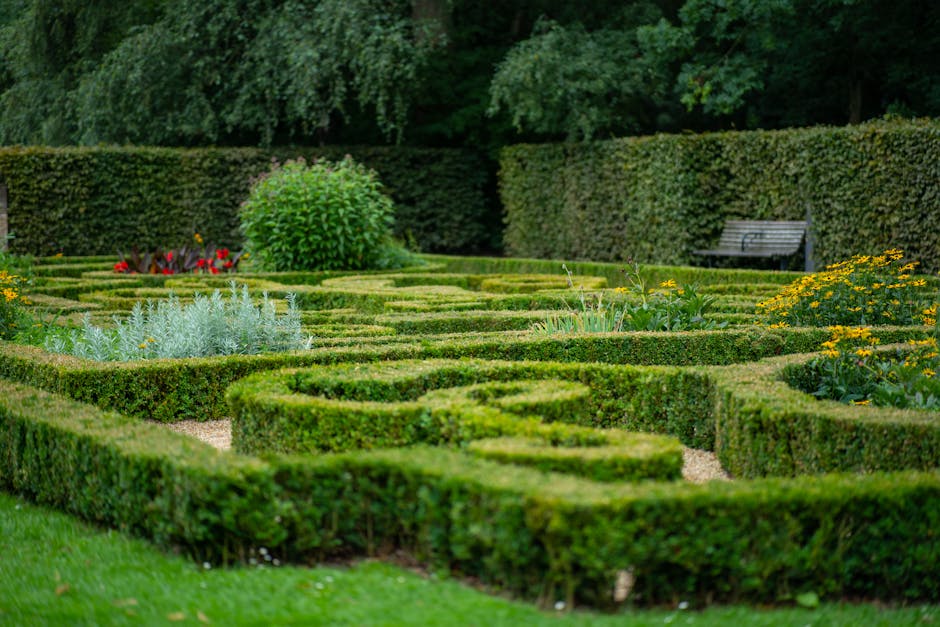
Garden Maintenance in Greenwich

Garden Maintenance Greenwich should be straightforward, tidy and built around the way a garden is actually used. We provide practical garden maintenance that keeps planting areas, lawns, borders and access routes in good order, with work planned to suit the condition of the space rather than forcing a one-size-fits-all routine. The aim is simple: give gardens a clean, manageable finish and help prevent small issues from becoming bigger jobs.
Our garden maintenance service can cover regular upkeep and one-off tidy work where growth has got away from a space. That may involve grass cutting, hedge trimming, border care, weed control, light pruning, leaf clearance and the removal of routine garden waste. We can also shape maintenance around the layout of the plot, whether it is a compact urban garden, a shared outdoor area or a larger domestic space with mixed planting.
For a clear and practical start, ask for a quotation and describe the work you want carried out. Regular maintenance is often easiest when the main priorities are listed first, such as lawn care, overgrown edges or seasonal cut-backs. If you already know the garden’s size, surface types and access points, that helps produce a more accurate proposal. Tell us what needs attention and we can take it from there.
Routine maintenance for lawns, borders and edging
Routine garden maintenance is often about consistency. Grass that is cut at the right time, borders that are kept clear and edges that are neatened regularly tend to look more settled and are usually easier to manage through the seasons. Our work in this area focuses on the visible structure of the garden as well as the smaller details that shape how tidy it feels from day to day. That includes keeping paths, boundary lines and lawn edges clear enough to support a clean finish.
Lawn mowing is one of the most common maintenance tasks, but it works best when it is considered alongside the rest of the garden. Grass cutting alone will not keep a space in order if the borders are encroached by weeds or if the edges have become uneven, so the service is best viewed as part of a wider maintenance plan. We can also combine mowing with basic tidy work so the lawn does not stand apart from the rest of the garden.
In practice, regular care may include trimming around borders, clearing small amounts of debris from hard surfaces and keeping plant growth from spilling into practical spaces. A well-maintained garden usually depends on small, repeated tasks rather than large interventions carried out infrequently. If you are comparing options, it is sensible to think about whether the garden needs light seasonal upkeep, a more detailed clean-up, or a combination of both.
Hedge trimming and sharper garden boundaries
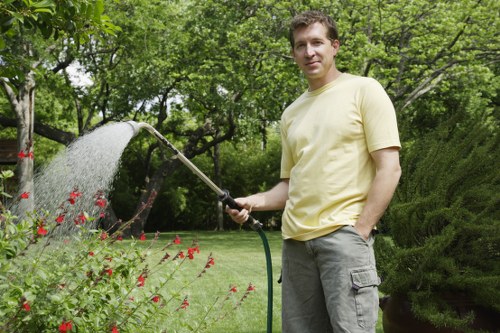
Hedges, boundary shrubs and shaped planting often need more than a simple cut. They need the right balance between tidiness and plant health, especially where growth affects light, access or the visual edge of the garden. Our hedge trimming work is aimed at restoring a defined shape while keeping the finish neat and controlled. It can be used for straightforward height reduction, side trimming or general shaping where the growth has become uneven.
Hedge trimming is especially useful when a garden starts to feel closed in or when outlines have blurred into one another. In many gardens, hedges frame the space as much as they divide it, so the quality of the cut matters. We look at the form of the hedge, the amount of growth present and the most practical way to bring it back into line without overcomplicating the job. That approach suits both formal and informal planting styles.
There are also practical questions to consider before hedge work begins. The thickness of the growth, the available access and the amount of cut material all affect how the work is handled. For taller or denser hedging, it can be helpful to separate the trimming into manageable stages rather than treating it as a single cosmetic task. A clear plan helps keep the result orderly and reduces the chance of missed sections.
Clearing overgrowth and removing garden waste
Some gardens need more than maintenance; they need a proper reset. When borders are overwhelmed, paths are buried under clippings or self-seeded growth has begun to dominate, garden clearance becomes the most efficient way to restore order. This can involve removing cut material, untidy debris, fallen leaves, unwanted vegetation and other waste that has built up over time. The work is especially useful before regular upkeep can begin again.
Garden clearance is not the same as routine mowing or hedging. It is usually more thorough and more flexible, because the aim is to bring a neglected or cluttered outdoor area back to a workable state. That may mean opening up access to parts of the garden, clearing back obstructive growth or taking away accumulated material that would otherwise make later maintenance slower. The scale of the work depends on the condition of the space.
Where clearance is needed, it is often sensible to think about what should be removed, what should be retained and whether the area is being prepared for follow-on maintenance. Clear priorities make the work easier to scope properly. If the garden contains mixed waste, rooted growth or awkward access points, those details are worth noting when requesting a quotation so the task can be estimated in a more realistic way.
Planting areas, light pruning and seasonal tidying
Many gardens in Greenwich are shaped by planting as much as by lawn or hard landscaping, so maintenance needs to respect both growth habit and layout. Border care can include light pruning of shrubs, tidying around perennials, removing spent material and keeping garden beds presentable without stripping them back too heavily. The aim is to keep structure, colour and seasonal interest while reducing the untidy look that comes from unchecked growth.
Garden maintenance is most effective when it responds to the whole outdoor space rather than a single isolated task. That may mean combining pruning with clearing, edging and general tidy work so the garden does not feel half-finished. Where planting is established, care needs to be careful and selective; not every stem should be treated in the same way, and some areas benefit from lighter intervention than others. Good maintenance balances neatness with restraint.
Seasonal tidying can also include lifting leaves, removing faded growth and bringing order back to beds after periods of strong growth or poor weather. The intention is not to overwork the garden but to keep it healthy-looking and usable. When planning this type of service, it helps to note any plants that should be left alone, any areas you want kept natural and any parts of the garden that need a sharper, more finished appearance.
Working around access, surfaces and outdoor features

Every garden presents a different set of practical conditions, and maintenance is easier when those conditions are taken into account from the outset. Narrow side access, steps, shared paths, fragile surfaces and decorative features can all affect how work is carried out. Good garden maintenance should respect the garden’s structure rather than disrupting it, which is why it matters to consider where equipment can be brought in, where cut material can be collected and how the work will move through the space.
If a garden includes paving, decking, gravel, boundary planting or mixed use areas, the maintenance approach may need to vary from one section to another. Some spaces require light, careful clearing; others benefit from more direct cutting or trimming. This is also where practical preparation helps. A brief note on access, gates, parking or any sections that need particular care can make the quotation process more accurate and the planned work more efficient. Decking services may also be relevant where outdoor structures sit alongside planted areas and need to be considered as part of the wider garden layout.
A useful enquiry usually includes the basic scope, the size of the area and the condition of the parts that matter most. You do not need to produce a long explanation; a concise description is often enough. If there are specific features that should be kept clear or protected, mention those at the same time. Clarity at the start helps avoid unnecessary back-and-forth and makes the proposed work easier to judge fairly.
Supporting a dependable maintenance routine
Some customers want a one-off tidy, while others are looking for a repeatable routine that keeps the garden in shape across the year. The maintenance work itself may look similar, but the decision-making behind it is different. A recurring plan usually focuses on preventing overgrowth, keeping the lawn presentable and ensuring the boundaries do not drift out of line. One-off work, by contrast, tends to focus on catching up where the garden has slipped behind.
Services overview can be useful when you want to compare the main types of work available before narrowing the request to a quotation. Garden maintenance often overlaps with other outdoor tasks, but not every garden needs everything at once. Some spaces need cutting and clearing; others need trimming and detailed finishing. The right scope depends on the condition of the outdoor area and the result you want to achieve. A well-planned job is usually more efficient than an overextended one.
Where maintenance becomes routine, it is usually better to keep the priorities consistent from visit to visit. That may mean keeping certain borders under control, dealing with seasonal growth at the right point and avoiding the build-up of waste around paths or planting beds. The practical benefit is not only appearance; it also makes the garden easier to use and simpler to manage over time.
About Greenwich
Greenwich is a district in south-east London on the River Thames, long associated with maritime history, observatory science and royal heritage. The area forms part of the wider Royal Borough of Greenwich, but the historic core around Greenwich town centre has its own distinct identity shaped by the river, the park and the concentration of listed buildings around the old maritime quarter. The Cutty Sark, now preserved as a ship and museum, stands close to the riverfront and forms one of the most recognisable landmarks in the district. Nearby, the Old Royal Naval College occupies the site of the former Palace of Placentia and gives the waterfront a formal architectural character, with major buildings designed in the classical style and arranged to frame long views towards the river.
How quotations are usually structured
Quotation requests work best when they are specific enough to show the scope of the job, but not so long that the key points are buried. For garden maintenance, that usually means stating what parts of the garden need attention, whether the work is light or more involved, and whether the task is a single visit or likely to recur. If there are items that must be removed, plant areas that need care or sections that should be left untouched, those details are worth including from the start.
Pricing and quotes is a useful page if you want to understand how a proposal is normally shaped before you send the details of your garden. Factors such as the amount of work, access, waste handling and the condition of the space can all influence how the job is assessed. Rather than guessing at the right level of service, it is better to describe the garden plainly and let the scope be matched to the work actually needed. That leads to a clearer and more practical response.
When the request is ready, keep it direct: what needs doing, how much of the garden is involved and whether there are any time-sensitive issues such as heavy growth, seasonal tidying or a garden that needs to be brought back under control. A short, accurate description is often more useful than a long explanation. If you are ready to move ahead, ask for a quotation and outline the work in one message.
Garden features, safety and finishing details

Good garden maintenance does not stop at the obvious tasks. Finishing details matter because they are often what make a garden feel properly cared for rather than merely cut back. Tidying around features, clearing accumulated debris, edging carefully and leaving the main areas in a coherent state can make a strong difference to the overall result. That is particularly true in gardens where planting, lawn and hard surfaces sit close together.
Some outdoor spaces also contain features that need to be treated carefully, such as fixed structures, decorative elements, uneven ground or concealed edges. A thoughtful approach reduces unnecessary disturbance and helps keep the work neat from start to finish. Where safety or access needs to be considered, it is helpful to mention that before the work is arranged. Insurance and safety information may also be useful for customers who want to understand how site care and working practice are addressed.
We aim for a finish that looks tidy without appearing overworked. That balance is especially important in established gardens, where too much intervention can make the space look stark or unfinished. A measured approach can preserve shape and character while still restoring order. In other words, the best maintenance usually leaves the garden looking cared for, not stripped back.
Contacting us for a quote

If your garden in Greenwich needs regular upkeep or a one-off tidy, the simplest next step is to ask for a quotation with a few plain details about the work. You can mention the size of the area, the condition of the lawns or borders and any parts that need particular attention. Contact us when you are ready to get the process started, and include the practical points that will help shape an accurate response.
Useful information often includes whether the job is mainly mowing, hedge trimming, clearance or a mix of tasks, plus any access notes that might affect how the work is carried out. If the garden has overgrown sections, awkward corners or surfaces that need careful handling, those details should be mentioned too. The more clearly the work is described, the easier it is to match the quotation to the actual task rather than to a rough guess.
For a quick and straightforward enquiry, send the main details and ask for a quotation today. If you already know the kind of maintenance you need, say so plainly; if not, a broad description is enough to start a useful conversation. Ask for your quotation now and we can help move the garden towards a cleaner, more manageable condition.