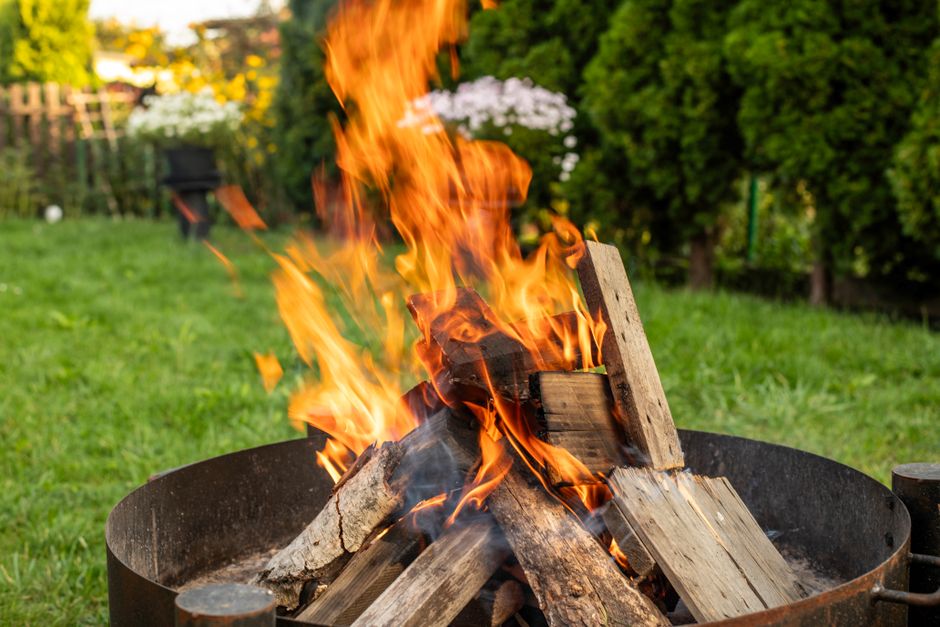
Permits bonfire rules Greenwich Council garden clearance guide
If you are clearing a garden in Greenwich, the bonfire question tends to arrive fast: can you burn the waste, do you need a permit, and what are the rules if neighbours are close by? This Permits bonfire rules Greenwich Council garden clearance guide pulls those strands together in plain English, so you can make a sensible decision before you light anything. Truth be told, most problems start with guesswork: damp cuttings, a sudden breeze, and a neighbour's washing line exactly where you did not want it. Better to plan properly.
Below, you will find a practical walkthrough of what usually matters, how to stay on the right side of local expectations, when a bonfire is a poor choice, and what to do instead if you want a cleaner, easier result. If your clearance is bigger than a few bags, it may also help to look at professional garden clearance support and the wider services overview for a more complete solution.
In most garden clearances, the safest approach is to reduce waste, separate what can be reused or recycled, and only consider a bonfire if it is genuinely appropriate, lawful, and considerate. If there is any doubt about smoke, nuisance, dry weather, or nearby homes, skip the fire and use another disposal route. That simple choice often saves time, stress, and a lot of awkward conversation over the fence.
- Why this topic matters
- How the rules and practical checks work
- Key benefits of getting it right
- Who this guide is for
- Step-by-step guidance
- Expert tips for better results
- Common mistakes to avoid
- Tools, resources and recommendations
- Law, compliance and best practice
- Options and comparison table
- Real-world example
- Practical checklist
- Conclusion
- Frequently asked questions
Why Permits bonfire rules Greenwich Council garden clearance guide Matters
Garden clearances look simple from a distance. A few branches, some grass cuttings, maybe a dead hedge section, and you are done. But once you bring fire into the equation, the job changes completely. Smoke drift, ash, sparks, and complaints can turn a Saturday tidy-up into a very unhelpful afternoon.
This matters in Greenwich for a few reasons. First, homes are often close together, so smoke travels fast and lingers. Second, not all garden waste burns cleanly. Wet greenery, treated timber, plastics, paint tins, and mixed rubbish create more smoke and more risk. Third, even if a bonfire is not outright banned in a general sense, a fire that causes nuisance or danger can still lead to trouble. That is the bit people miss. Let's face it, "I only burned a bit of hedge waste" is not much comfort if the whole road can smell it.
There is also the practical side. A poorly planned fire often takes longer than bagging and removing waste properly. You end up feeding it, watching it, trying to keep it under control, then dealing with the remains. If you are also pruning, mowing, and clearing beds at the same time, the fire becomes one more job to manage.
For many households, the better route is to clear the garden in stages and pair that with regular maintenance. If that sounds familiar, routine garden maintenance can reduce the amount of waste building up in the first place. Less waste. Less smoke. Less drama. Simple, really.
How Permits bonfire rules Greenwich Council garden clearance guide Works
There are two separate ideas to keep in mind: permission and practicality. A permit, where relevant, is only part of the story. Even if you are not required to apply for a formal permit for a garden bonfire, you still need to consider whether the fire is safe, considerate, and suitable for the materials you want to burn.
In a real-world sense, the process usually works like this:
- Check what waste you have. Dry brash and untreated plant material are very different from damp ivy, soil, or painted wood.
- Look at the setting. Busy streets, terraced homes, windy days, and small enclosed gardens are all red flags.
- Think about nuisance. If smoke will drift into windows, affect a neighbour, or create a smell that hangs around all evening, it is probably not the best idea.
- Confirm local expectations. Greenwich Council guidance and local nuisance rules are the practical benchmark people should be aware of, even when they are not applying for a formal permit.
- Choose the disposal method. Bonfire, green waste collection, bagged removal, composting, or professional clearance all have different trade-offs.
So, does every garden fire need a permit? Not necessarily. But that does not mean you can just light one without checking the wider picture. That distinction matters a lot. A lot.
If your job is part of a bigger tidy-up, such as cutting back overgrowth, clearing borders, removing tangled waste, and improving access, a dedicated garden clearance service may be more efficient than doing it all yourself.
Key Benefits and Practical Advantages
Getting bonfire rules right is not just about avoiding trouble. It also improves the whole clearance job. The main advantages are very practical.
- Less risk of nuisance complaints. Keeping smoke under control is the easiest way to stay neighbour-friendly.
- Safer handling of waste. You reduce the chance of burning the wrong thing or leaving hot embers behind.
- Cleaner garden results. Many clearance jobs are better finished with organised removal rather than a half-burned heap at the back of the garden.
- Better time use. If the waste is large or mixed, a structured clearance often takes less time overall.
- More predictable outcome. You know where the waste is going, rather than hoping a fire will magically shrink everything. Spoiler: it usually does not.
There is also a quiet benefit: peace of mind. When you know you have taken a careful approach, you do not spend the afternoon peeking over the fence to see whether smoke is bothering anyone.
For many customers, especially after storms or seasonal growth spurts, the smarter route is to combine waste removal with other tidy-up work such as hedge trimming or lawn mowing. That turns a messy reset into a tidy, manageable job.
Who This Is For and When It Makes Sense
This guide is for homeowners, landlords, tenants with permission, property managers, and anyone dealing with garden waste in Greenwich. It is especially useful if you are dealing with one of these situations:
- A seasonal clear-up after a lot of pruning and cutting back
- A neglected garden that has become overgrown
- Storm debris, broken branches, and damp piles of green waste
- A small urban garden where smoke could quickly affect nearby properties
- A situation where you are not sure whether a fire is appropriate at all
Bonfires make the most sense, if at all, when the waste is small, dry, untreated, and suitable for burning, and when the conditions are calm and safe. Even then, the decision should be made with care. If you are asking yourself "Should I really do this today?" that is usually a sign to pause and think again.
It also makes sense to skip the bonfire route entirely if you need the garden ready for visitors, letting agents, family use, or a landscaping project. In those cases, a cleaner finish matters more than a quick burn. If the space is being redesigned, landscape gardening and broader landscaping work may depend on a tidy, debris-free start.
Step-by-Step Guidance
Here is a practical way to handle the decision without overcomplicating it.
1. Sort the waste first
Separate green waste from anything else. Dry branches, leaves, and natural cuttings may be handled differently from soil, roots, timber, treated wood, and general rubbish. This first step matters more than people think. Mixed waste is where bonfire problems begin.
2. Check the weather and the garden layout
If it is windy, do not burn. If the garden is enclosed and smoke has nowhere to go, do not burn. If nearby windows are open on a warm day, probably do not burn. The smell of smoke drifting through a back bedroom window at 9 p.m. is not anyone's favourite surprise.
3. Consider whether a permit or local approval is actually needed
For some activities, permissions may be required, while for others the key issue is compliance with nuisance, safety, and environmental expectations. Because these details can vary depending on the situation, the safest approach is to treat the question seriously rather than casually assuming you are covered.
4. Prepare the site properly
Choose an open, stable area away from fences, sheds, trees, dry grass, and anything flammable. Keep water nearby. Make sure children and pets are kept away. Do not leave the fire unattended, even for a minute. That tiny "I'll just pop inside" moment is where things often go sideways.
5. Light only suitable material
Burn only clean, appropriate garden waste. Never add plastics, aerosol cans, rubber, painted wood, chipboard, or household rubbish. These materials can produce toxic smoke and unpleasant ash.
6. Watch for smoke drift and stop early if needed
If the smoke starts moving toward neighbours, roads, or open windows, stop feeding the fire. A controlled small fire is one thing. A smoky pile that keeps growing is another. More is not better here.
7. Fully extinguish and clear up afterwards
Once finished, make sure everything is cold. Embers can stay hot longer than people expect. Then remove ash and any debris left behind. A tidy ending is part of the job, not a bonus.
Expert Tips for Better Results
Here are a few things that tend to separate a smooth clearance from a frustrating one.
- Clear in smaller batches. Big piles tempt people to overburn and lose control.
- Use the right timing. Early, calm conditions are usually better than late afternoon when winds pick up.
- Do not mix waste types. Keep burned material separate from items that need bagging or recycling.
- Plan the end state. If the garden still needs mowing, pruning, or planting, avoid leaving ash or scorched patches where work needs to continue.
- Think about nearby people, not just regulations. A considerate fire is a small fire, not a smoky spectacle.
In our experience, the best outcomes come from treating garden clearance like a sequence rather than a single job. Cut, sort, remove, tidy, then assess whether burning is still necessary. Often, by that stage, it is not.
If the job feels bigger than expected, that is normal. Overgrown gardens have a habit of hiding the real workload until you are halfway through. If you need help planning the full scope, see what the service range covers.
Common Mistakes to Avoid
These are the errors that cause most of the avoidable trouble.
- Burning wet waste. It smoulders, smokes, and creates a much worse nuisance than people expect.
- Using a bonfire to get rid of mixed rubbish. That is not garden clearance; that is a complaint waiting to happen.
- Ignoring neighbours. If smoke enters someone's home or garden, even a small fire can become a big issue.
- Leaving it unattended. A quick break can turn into a hazard in seconds.
- Forgetting about residual heat. Ash and embers can stay dangerous after the flames are gone.
- Starting without a plan for disposal. If the bonfire fails, you are left with a pile that still needs removing.
A small, contained fire can become a nuisance very quickly. That is the uncomfortable truth. And if you are trying to clear a whole garden, it may be more effective to skip the bonfire and use a proper removal plan from the start.
Tools, Resources and Recommendations
You do not need a huge toolkit, but the right basics make the work cleaner and safer.
| Option | Best for | Main advantage | Main drawback |
|---|---|---|---|
| Small controlled bonfire | Very limited dry green waste | Quick disposal of suitable material | Smoke, nuisance, and fire risk |
| Bagging and removal | Mixed garden waste and tidy-up jobs | Predictable, clean finish | More physical handling |
| Green waste separation | Ongoing garden maintenance | Reduces waste and supports recycling | Needs planning and sorting |
| Professional clearance | Large, overgrown, or awkward jobs | Saves time and avoids disposal hassle | Usually costs more than doing it yourself |
Recommended basics for safe handling include gloves, secateurs, loppers, strong refuse sacks, a rake, a tarp, and a water source nearby if any burning is being considered. If the garden has stubborn growth, a combination of tree lopping and removal with clearance may be more efficient than trying to burn large woody material.
One more useful idea: think about sustainability. Reusing, composting, and recycling where possible usually makes more sense than defaulting to fire. That approach is often kinder to the garden and easier on everyone around it. For a broader view, the site's recycling and sustainability approach is worth considering alongside any clearance decision.
Law, Compliance, Standards, or Best Practice
Because this topic touches on fire, nuisance, and local environmental impact, it needs careful handling. The main principle is simple: even where a bonfire is not specifically banned, it must not cause danger, excessive smoke, or unreasonable disturbance. That is the part many people overlook.
In practical terms, you should think in terms of:
- Fire safety. Avoid ignition near buildings, fences, trees, sheds, and dry surfaces.
- Nuisance control. Limit smoke, smell, and ash drift.
- Waste suitability. Burn only appropriate organic garden waste, if burning at all.
- Reasonable behaviour. Choose a time and method that do not needlessly affect nearby homes.
Best practice often goes beyond the bare minimum. For example, even if you could technically burn certain waste, the better choice may still be to remove it. That is especially true in denser parts of Greenwich, where close housing can make smoke control difficult. If you are unsure, safer is better. Honestly, safer is usually better anyway.
Also keep in mind that if you are working on a larger garden project, site preparation, and safe handling matter just as much as the final tidy-up. The company's health and safety approach and insurance and safety information show the kind of care that matters when work involves tools, debris, and potentially hazardous materials.
Options, Methods, or Comparison Table
If you are deciding between a bonfire and other clearance methods, this comparison may help.
| Method | Speed | Mess | Neighbour impact | Best use case |
|---|---|---|---|---|
| Bonfire | Fast for small suitable waste | Moderate to high | Can be high if smoky | Very limited dry green waste in the right conditions |
| Bagged removal | Moderate | Low | Low | General garden tidy-ups |
| Composting | Slow | Low | Very low | Leaves, grass, and soft green waste |
| Professional clearance | Fast once booked | Low | Low | Large, awkward, or time-sensitive jobs |
For most homeowners, bagged removal or professional clearance gives the best balance of speed, tidiness, and neighbour-friendliness. A bonfire can work, but only in narrower circumstances than people usually assume.
Case Study or Real-World Example
A typical Greenwich garden clearance might start with an overgrown back garden after a wet spring. The hedge has pushed out, the lawn is patchy, and there is a stack of cut branches under a tree that looks bigger every day. The first instinct is often to say, "We'll just burn the lot."
But after sorting the waste, the picture changes. The leafy material is damp. The branches are mixed sizes. There is treated timber from an old planter. The fence is close, the air is still on one side of the garden but not the other, and the neighbour's patio is only a few metres away. In that situation, a bonfire is no longer the neat shortcut it seemed to be.
The better outcome is usually a proper clearance: separate the waste, remove the unsuitable material, prune back the remaining growth, and leave the area ready for mowing or replanting. It takes a bit more planning, yes. But the end result is cleaner, safer, and far less awkward.
That sort of job often pairs naturally with follow-up work like lawn mowing and ongoing garden maintenance, because once the clutter is gone, the space starts behaving like a garden again rather than a storage corner.
Practical Checklist
Use this quick checklist before deciding on a bonfire or alternative clearance method.
- Have I separated green waste from treated wood, plastics, and household rubbish?
- Is the waste dry enough to burn cleanly, if burning is even appropriate?
- Is the weather calm, with no strong wind?
- Will smoke drift toward neighbours, roads, or open windows?
- Is the fire area clear of fences, sheds, trees, and dry grass?
- Do I have water nearby and a plan to extinguish the fire fully?
- Have I checked whether a permit, approval, or local restriction applies to my situation?
- Would removal, composting, or professional clearance be the safer option?
- Am I confident I can supervise the fire the entire time?
- Do I have a tidy-up plan for ash, debris, and remaining waste afterwards?
If you answer "no" to more than one of those points, the smarter route is probably to avoid the bonfire. That's not being cautious for the sake of it; that's just good judgement.
Get a free quote today and see how much you can save.
Conclusion
Bonfire decisions during garden clearance are not really about whether a flame will light. They are about suitability, safety, neighbour impact, and whether there is a better way to get the job done. In Greenwich, where outdoor space is often close to other homes, that careful approach matters even more.
If you keep waste types separate, check the conditions, think about smoke, and choose the cleanest route for the job, you will usually end up with a better result. And if the clearance is more than a small tidy-up, there is no shame in choosing a professional route instead. In fact, that is often the sensible move.
Good garden work should leave you with a cleaner space and a calmer head. That's the real win.
Frequently Asked Questions
Do I need a permit for a garden bonfire in Greenwich?
Not every garden bonfire automatically needs a formal permit, but that does not mean you can ignore local rules or nuisance concerns. You still need to consider safety, smoke, and whether the fire is suitable for your waste and location.
What garden waste can I burn safely?
Only clean, dry, untreated garden waste is generally the sensible category to consider, and even then only if the conditions are right. Wet cuttings, treated timber, plastics, and general rubbish should not go on a bonfire.
Can I burn hedge trimmings and branches after garden clearance?
Sometimes, yes, but only if the material is appropriate, dry enough, and the fire will not create a nuisance. For many hedge and branch jobs, removal is actually the better choice, especially in built-up areas.
What should I do if my bonfire is smoking too much?
Stop adding fuel and let the fire settle. If the smoke is drifting toward neighbours or into nearby homes, the best move is to extinguish it safely rather than trying to push through. A smoky fire is usually a sign the conditions were wrong in the first place.
Is burning garden waste better than using a clearance service?
Not always. Burning can seem quicker, but it often creates smoke, mess, and more supervision. A clearance service is usually better for larger, mixed, or time-sensitive jobs because it gives a cleaner and more predictable result.
How do I know if the weather is suitable for a bonfire?
Calm conditions are the key. If it is windy, breezy, or likely to shift smoke toward neighbours, do not light it. Slightly damp weather can also make burning inefficient and smoky. To be fair, if you are second-guessing the weather, that is often your answer.
What are the most common mistakes people make with garden bonfires?
The most common mistakes are burning damp material, mixing rubbish into the pile, leaving the fire unattended, and failing to think about smoke drift. Another big one is underestimating how long the clean-up takes afterwards.
Can I burn garden waste in a small urban garden?
You might be able to, but small urban gardens are exactly where smoke and neighbour impact become difficult to manage. In many cases, removal or composting is the more sensible option.
What should I do with waste I cannot burn?
Separate it and remove it properly. That may mean bagging it, composting suitable material, or arranging a professional clearance. If the waste includes woody material or larger debris, services such as tree lopping and removal can help deal with the awkward bits safely.
How can I make garden clearance easier next time?
Regular maintenance makes the biggest difference. Small, frequent cuts and tidy-ups produce less waste than a huge seasonal clear-out, and that means fewer disposal headaches later. It really does add up.
Where can I find help if I do not want to handle the clearance myself?
You can look at the available garden services and choose the most suitable option for your property. If the job is more about tidying than redesigning, garden clearance support is often the most direct place to start.
Are bonfire rules the same as general garden clearance rules?
No, they overlap but they are not identical. Garden clearance covers the broader job of removing waste and restoring the space. Bonfire rules are only one part of that, and they focus on safety, nuisance, and whether burning is appropriate at all.