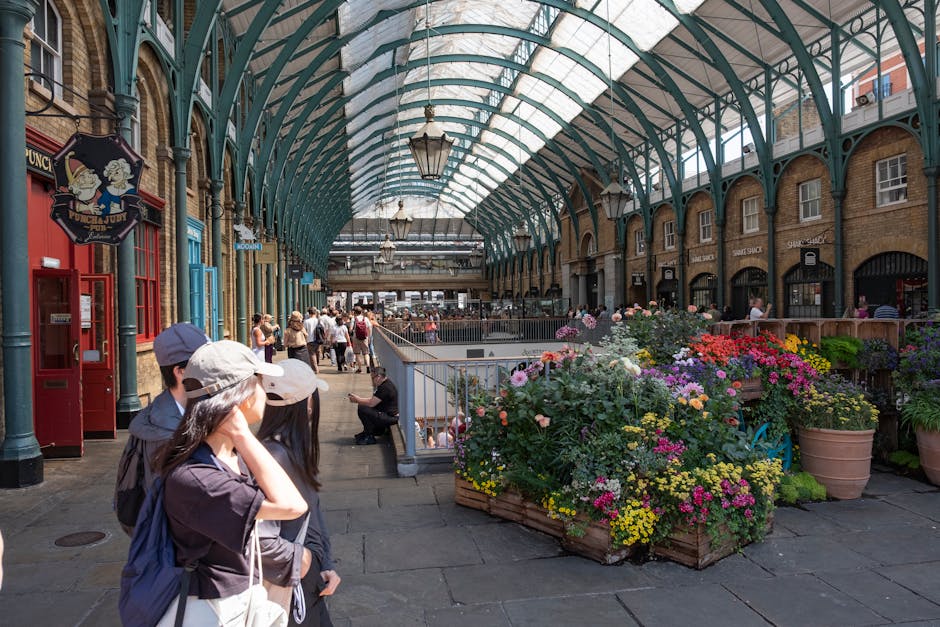
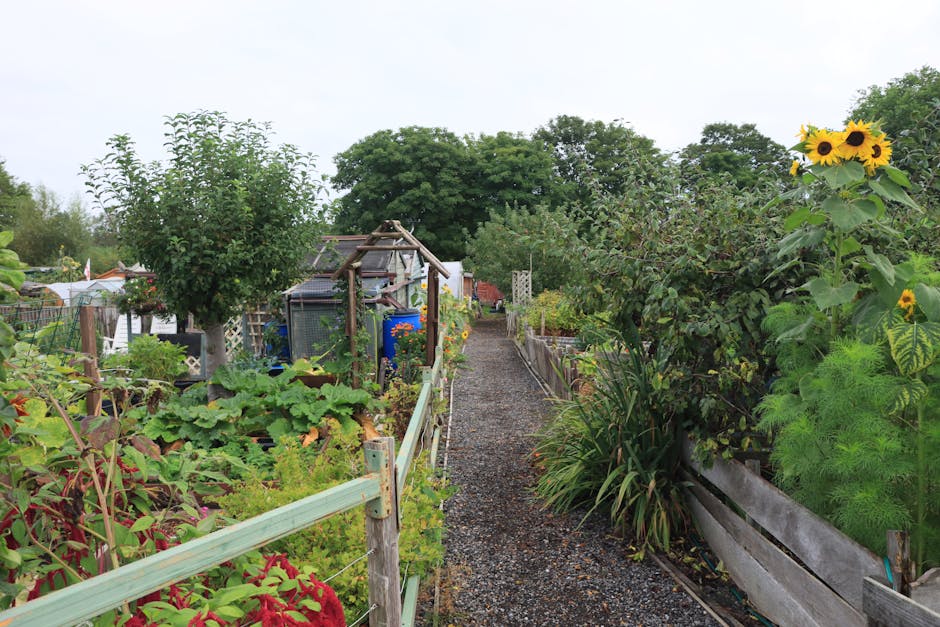
Greenwich Market garden makeover gardeners case study SE10
If you are looking at a tired courtyard, a cluttered back space, or a patchy little garden near Greenwich Market and wondering what on earth to do with it, you are not alone. The phrase Greenwich Market garden makeover gardeners case study SE10 usually points to one thing: a local garden that needed more than a tidy-up, but not necessarily a full redesign from scratch. It needed judgement, planning, and a hands-on team that understands how small London spaces behave in real life.
This article breaks that down properly. You will see why a makeover in SE10 matters, how the process usually works, what results are realistic, and where people often go wrong. There is also a practical checklist, a comparison table, and a case-study style example so you can picture the work before you commit to it. Truth be told, a good garden makeover is rarely about one dramatic moment. It is usually a series of small, sensible decisions.
For readers who want to see how a wider service offering fits together, you can also explore the wider services overview, or look at specific support such as garden maintenance, landscaping, and garden clearance.
Table of Contents
- Why Greenwich Market garden makeover gardeners case study SE10 Matters
- How Greenwich Market garden makeover gardeners case study SE10 Works
- Key Benefits and Practical Advantages
- Who This Is For and When It Makes Sense
- Step-by-Step Guidance
- Expert Tips for Better Results
- Common Mistakes to Avoid
- Tools, Resources and Recommendations
- Law, Compliance, Standards, or Best Practice
- Options, Methods, or Comparison Table
- Case Study or Real-World Example
- Practical Checklist
- Conclusion
- Frequently Asked Questions
Why Greenwich Market garden makeover gardeners case study SE10 Matters
Greenwich Market and the wider SE10 area bring a particular set of challenges. Many gardens here are compact, overlooked, awkwardly shaped, or shared between boundaries and buildings. Some are attached to period homes with shady corners and uneven ground. Others are newer but still feel unfinished, because outdoor space in London tends to get pushed down the list until it becomes slightly embarrassing. We have all seen that stage.
A garden makeover matters because it changes how people actually use the space. Not just how it looks from the kitchen window. A tidy, planned garden can make a small courtyard feel calm, create space for seating, reduce future maintenance, and improve drainage or access. In a local context, that matters even more, because SE10 gardens are often asked to do a lot in very little room.
There is also a practical value in working with gardeners who understand the rhythm of the area. Greenwich has foot traffic, market activity, tighter access in places, and the ordinary logistics of London life: deliveries, narrow side returns, and neighbours close enough to notice every noise. A well-run project takes that into account from day one.
Expert summary: A good garden makeover in SE10 is not about making everything look expensive. It is about making the space work better, breathe better, and feel easier to live with.
How Greenwich Market garden makeover gardeners case study SE10 Works
Most successful makeovers follow a fairly simple pattern, even if the finished garden looks creative and polished. The team starts by assessing what is already there, what is worth keeping, and what is causing the space to feel cramped, dull, or hard to maintain.
That early assessment usually covers the following:
- sun and shade patterns across the day
- access points and narrow routes for waste removal
- soil condition, drainage, and compaction
- existing planting, hard surfaces, and boundary issues
- how the owner wants to use the space
From there, the work is generally split into stages. First comes clearance and preparation. Then comes shaping the space: defining edges, improving structure, and deciding where planting, lawn, decking, or seating should sit. After that, the finishing layer is added. That might be planting, turfing, hedge shaping, or a practical maintenance plan.
In many cases, the most important thing is not the decorative layer. It is the structure underneath. If the drainage is poor, the planting will struggle. If access is awkward, maintenance becomes a chore. If the layout is confusing, the garden never quite feels settled. That is where a considered approach from local specialists really earns its keep.
If a project needs deeper reshaping, landscape gardening or broader landscaping support may be more suitable than a simple tidy-up.
Key Benefits and Practical Advantages
A well-executed makeover is not only visual. Of course, it should look better. But the real gains are usually practical. People often notice the difference most in day-to-day use, especially on busy weekdays when nobody has time for a high-maintenance garden.
- Better usability: the garden becomes easier to sit in, move through, and enjoy.
- Less maintenance stress: simpler planting and cleaner edges reduce ongoing work.
- Improved structure: paths, borders, and defined zones make small spaces feel calmer.
- Healthier planting conditions: clearance, pruning, and soil correction help plants settle.
- Stronger first impression: especially useful for homeowners preparing a property for sale or rental.
- Better long-term value: sensible improvements tend to age more gracefully than rushed fixes.
There is also a subtle benefit that is easy to miss: a garden you understand is a garden you are more likely to care for. When beds are accessible, lawns are trimmed properly, and edges are crisp, maintenance becomes manageable instead of mysterious.
That sounds obvious, but it is often the difference between a garden that improves over time and one that slowly slips back to chaos.
Who This Is For and When It Makes Sense
This kind of project suits a wide range of property owners in SE10, but it tends to be most useful in a few clear scenarios.
- Busy homeowners: if you want a garden that looks deliberate without demanding constant attention.
- New buyers: if the outdoor space came with the property and feels a bit neglected or mismatched.
- Landlords and agents: if presentation matters and you need the space to look clean, usable, and cared for.
- Families: if the current layout is awkward for children, storage, or day-to-day movement.
- Older properties: if the garden has grown unevenly over time and now needs a reset.
It also makes sense when the garden is not quite beyond saving. That is an important point. Not every outdoor space needs a full rebuild. Some only need a targeted intervention: clearance, hedge reshaping, better mowing patterns, or a few strategic planting changes. If the bones are good, you can do a lot without overcomplicating things.
For more routine upkeep after a makeover, services like lawn mowing and hedge trimming often keep the space looking sharp with far less effort.
Step-by-Step Guidance
Here is a practical way to think about the process. It is not the only method, but it is a solid one, and it reflects how good gardeners tend to approach these jobs.
- Initial walk-through: inspect the site, note access, measure the usable area, and identify any urgent problems.
- Clear the clutter: remove dead growth, unwanted materials, broken pots, old timber, or tangled debris.
- Sort the structure: decide what stays, what goes, and where the main zones should be.
- Improve the ground: level where needed, fix drainage issues where practical, and prepare beds properly.
- Install or repair features: edging, paths, fencing details, seating areas, or timber features if required.
- Add planting: choose plants that suit the light, exposure, and the level of maintenance you actually want.
- Finish and tidy: mulch, water in, cut edges cleanly, and leave the space ready to use.
- Set the maintenance plan: decide what needs weekly, monthly, or seasonal care.
A simple project might move quickly. A more complex one can take a bit of back-and-forth, especially if access is tight or the design needs refining. That is normal. Better to pause and get it right than rush a fix that creates more work later. Nobody wants that, least of all the gardener returning in a month to undo the mess.
Expert Tips for Better Results
Below are the kinds of small decisions that make a bigger difference than people expect.
- Design for maintenance, not fantasy: if you hate pruning, do not build a planting scheme that demands it every other week.
- Keep the layout simple: in smaller Greenwich gardens, a clean layout often looks better than a busy one.
- Use repetition: repeating a few plants or materials helps the space feel joined up.
- Think vertically: walls, trellises, and trained plants can add depth without eating floor space.
- Leave breathing room: crowded borders look full for about five minutes, then they look messy.
- Start with the worst corner: if one area drags the whole garden down, sort that first.
One practical observation from real garden work: people often ask for "low maintenance" when what they really mean is "manageable". That distinction matters. Low maintenance still needs care. Manageable simply means the work feels reasonable rather than endless.
If your garden includes soft landscaping and hard surfaces, it can help to think in layers. Structure first. Planting second. Decoration last. Slightly boring order? Maybe. But it works.
Common Mistakes to Avoid
Garden makeovers can go sideways in predictable ways. Most of them are avoidable, which is the good news.
- Skipping the clearance stage: trying to design around clutter usually leads to compromise.
- Choosing plants for looks only: a plant that hates shade will not suddenly enjoy a dark corner just because it is pretty.
- Forgetting access: narrow side passages, bins, and storage all affect the layout.
- Overcomplicating the design: too many materials, colours, or feature points can make a small garden feel cramped.
- Ignoring drainage: soggy areas and pooled water can undo a lot of hard work.
- Leaving maintenance as an afterthought: the finished garden should be workable in the real world.
Another common issue is trying to do everything in one go. To be fair, that is tempting. You clear the space and suddenly the imagination starts running. But the best results usually come from disciplined choices. Not every garden needs every idea in the same week.
Tools, Resources and Recommendations
You do not need specialist jargon to understand the basic toolkit behind a makeover. A capable team will typically rely on straightforward equipment and a good eye for detail.
| Task | Typical approach | Why it helps |
|---|---|---|
| Clearance | Manual removal, cutting back, responsible waste sorting | Creates a clean starting point and reveals the real shape of the space |
| Lawn care | Cutting, edging, scarifying or reworking tired patches where needed | Makes the garden look tidier and easier to maintain |
| Planting | Choosing suitable species for light, soil, and maintenance level | Improves survival rates and long-term appearance |
| Structure | Edging, borders, paving, timber, or zone definition | Stops the space feeling random or unfinished |
| Ongoing care | Scheduled maintenance visits or seasonal tidy-ups | Keeps the makeover from sliding backwards |
For people who want an easier path, the most useful recommendation is simple: use a service that can handle both the transformation and the follow-up. A makeover without maintenance is just a nice week. A makeover with maintenance becomes a lasting improvement.
It is also sensible to check practical matters before work begins. The company's pricing and quotes page can help set expectations, while recycling and sustainability is worth reading if you want waste handled with a bit more care rather than dumped and forgotten. Sensible, really.
Law, Compliance, Standards, or Best Practice
Garden makeover work in London is usually straightforward, but there are still a few points worth respecting. If the work involves cutting back near boundaries, shared access, trees, or structures, it is wise to confirm ownership and responsibilities before anything is removed. That is especially true in denser parts of SE10, where fences, walls, roots, and neighbours can all become part of the conversation very quickly.
Where waste is being removed, responsible handling matters. In practice, that means proper disposal, sensible sorting, and avoiding fly-tipping or careless dumping. It sounds basic, because it is basic. Yet basic things are often where quality shows up.
If the project includes tree work, safety becomes even more important. Larger pruning or removal is not something to treat casually. The right approach is careful assessment, proper equipment, and a clear understanding of risk. For anything involving more significant tree work, it makes sense to use a service that treats tree lopping and removal with the seriousness it deserves.
There are also normal UK expectations around health and safety, insurance, and fair customer treatment. If you are choosing a contractor, it is reasonable to ask how they manage site safety, public access, waste handling, and communication. You should not need a lecture. Just clear answers.
For that reason, pages like health and safety policy, insurance and safety, and terms and conditions are useful reading before work begins.
Options, Methods, or Comparison Table
Not every garden in Greenwich needs the same kind of intervention. The best method depends on the condition of the space, the budget, and how much change you actually want. Here is a plain-English comparison.
| Approach | Best for | Pros | Limits |
|---|---|---|---|
| Maintenance-led refresh | Gardens that already work structurally but look tired | Fast, practical, budget-conscious | Does not solve deeper layout problems |
| Clearance plus tidy redesign | Overgrown or cluttered gardens that need a reset | Big visible improvement without full reconstruction | Still limited by existing layout and access |
| Full landscaping makeover | Spaces with drainage, structure, or useability issues | Most flexible and long-lasting | Usually takes more planning and investment |
| Feature-led update | Gardens needing one standout element such as decking | Can dramatically improve how the space feels | Works best when the rest of the garden is already in decent shape |
In many SE10 properties, a blended approach works best. A bit of clearance, a little structural reshaping, then careful finishing. Nothing dramatic for the sake of drama. Just enough change to make the garden feel coherent again.
If decking is part of the plan, it is worth considering whether it should support the layout rather than dominate it. Decking services can be especially useful where seating or level changes matter.
Case Study or Real-World Example
Here is a realistic example of how a Greenwich Market garden makeover might unfold. It is intentionally not a glossy fantasy. More the sort of thing a homeowner actually faces.
A small SE10 back garden had become a bit of everything: an uneven patch of lawn, tangled shrubs near the rear wall, tired borders, and a corner that collected old pots, offcuts, and general garden drift. The owners wanted it to feel calmer and more usable, especially for weekend breakfasts and summer evenings after work.
The first job was clearance. That revealed a better shape than expected, which is often the case once the clutter goes. The next step was to define zones: a simple sitting area, a neater planting edge, and a clearer route through the space. A small amount of lawn work helped balance the garden visually, while selective pruning opened up the light. Nothing heroic, just thoughtful.
One detail made a real difference: the planting scheme was kept deliberately restrained. Instead of squeezing in every idea, the design used a few reliable plants repeated in the borders. That gave the space rhythm. It looked finished without feeling busy. And, importantly, the owners could keep it under control without becoming part-time gardeners against their will.
That is the point of a case-study style makeover in this part of London. The best outcome is not always the most dramatic one. It is the one that makes the space feel naturally easier to live with. You notice it when you step outside and everything feels a little lighter, a little less awkward, almost like the garden has finally exhaled.
Practical Checklist
Use this checklist before you start. It keeps the project grounded.
- Decide what the garden must do: relax, entertain, play, grow, or simply stay tidy
- Walk the space at different times of day to check light and shade
- Identify any drainage, access, or boundary issues
- Choose what to keep, repair, or remove
- Make sure the layout is simple enough to maintain
- Pick plants that suit the site, not just the mood board
- Confirm how waste will be collected and handled
- Ask about safety, insurance, and the expected timeline
- Plan for ongoing maintenance after the makeover
- Leave a little room for future changes, because gardens do evolve
If you want the space to stay looking good, the final step is never really final. A few visits a year, or even a modest maintenance plan, can save a lot of frustration later. That is usually where the value shows up.
Get a free quote today and see how much you can save.
Conclusion
A Greenwich Market garden makeover in SE10 works best when it respects the limits of the space while still improving it in a meaningful way. The strongest results usually come from practical thinking: clear the clutter, improve the structure, choose planting that fits the conditions, and make sure the whole garden is manageable afterwards.
That combination is what turns a patchy outdoor area into something people actually want to use. Not a showroom. A real garden. One that works on a rainy Tuesday as well as it does on a bright Saturday morning with coffee in hand and the market buzzing nearby.
If you are planning a refresh, it is worth starting with a team that understands local gardens, clear communication, and proper aftercare. Good workmanship is nice. A garden that stays easy to live with is better.
And honestly, that is what most people want in the end: a space that feels like theirs again.
Frequently Asked Questions
What does Greenwich Market garden makeover gardeners case study SE10 actually mean?
It usually refers to a local example or service approach for improving a garden near Greenwich Market in the SE10 area. The focus is on practical transformation, not just tidying up.
Is a garden makeover the same as landscaping?
Not exactly. A makeover can be smaller and more focused, while landscaping often involves deeper structural changes, layout redesign, or features such as paving and decking.
How do I know if my garden needs clearance first?
If the space is overgrown, cluttered, or hard to assess properly, clearance is usually the first step. It reveals what is worth keeping and what needs rethinking.
Can a small SE10 garden still look good after a makeover?
Yes, absolutely. Small gardens often improve the most because simple changes have a big visual impact. Clean structure and restrained planting can go a long way.
How long does a typical garden makeover take?
It depends on the size, condition, and scope of the work. A light refresh may be quite quick, while a deeper redesign can take longer. Access can affect timing too.
What should I ask before booking gardeners in Greenwich?
Ask about the scope of work, waste removal, insurance, safety practices, maintenance options, and how the quote is structured. Clear answers are a good sign.
Do I need a full redesign, or can maintenance do the job?
If the garden already has decent structure, ongoing maintenance may be enough. If the layout feels awkward or the space is badly neglected, a redesign may be more effective.
What are the biggest mistakes people make with makeovers?
The biggest ones are skipping clearance, choosing difficult plants, ignoring drainage, and overcomplicating the layout. A simple plan often wins.
Are decking or hard surfaces worth considering in a makeover?
They can be, especially if you need a seating area or want to make the garden easier to use. The key is making sure any hard feature supports the rest of the layout.
How do I keep the garden looking good after the work is finished?
Use a maintenance routine. Regular mowing, trimming, light weeding, and seasonal care will keep the garden from slipping back into neglect. Small efforts really do add up.
What if I do not know what style I want yet?
That is fine. Start with the practical needs of the space first. Once the structure is clearer, style choices become much easier and usually less stressful.
Where can I learn more about the service options available?
A good place to start is the services overview, then move into more specific pages such as garden maintenance or landscape gardening depending on what your garden needs.
How can I contact the team if I am ready to discuss my garden?
Use the contact page when you are ready to talk through your space, ask questions, or request a quote. A clear first conversation usually saves time later.