Greenwich Council garden waste rules: what to know for gardeners
If you garden in Greenwich, the waste you create is part of the job. Hedge clippings, grass cuttings, prunings, soil, weeds, and the odd broken pot all need a sensible home. That sounds simple enough until you are halfway through a weekend clear-up and realise the pile in the corner is bigger than the bin, the bag, and probably your patience too. This guide explains Greenwich Council garden waste rules what to know for gardeners in plain English, so you can keep your garden tidy without creating extra hassle, surprise costs, or avoidable mistakes.
We will cover how green waste is usually handled, what to separate from general rubbish, when a garden clearance service makes more sense, and how to stay on the right side of local expectations and everyday UK best practice. No fluff. Just the practical stuff you actually need.
Table of Contents
- Why these garden waste rules matter
- How garden waste handling works in practice
- Key benefits for gardeners
- Who this is for and when it makes sense
- Step-by-step guidance
- Expert tips for better results
- Common mistakes to avoid
- Tools, resources and recommendations
- Law, compliance, standards and best practice
- Options and comparison table
- Case study or real-world example
- Practical checklist
- Conclusion
- Frequently asked questions
Why Greenwich Council garden waste rules what to know for gardeners Matters
Garden waste rules matter because green waste is not just "stuff from the garden". It has to be sorted, stored, and moved in a way that fits local collection systems and wider environmental expectations. If you mix in the wrong materials, the whole load can become harder to recycle or compost. That is frustrating for you, and it is not great for the system either.
For household gardeners, the main issue is usually clarity. People often know that grass cuttings and leaves are fine, but then a few branches, a couple of dead plants with compost bags, and some soil sneak in. Suddenly the bin lid will not close. Or worse, the waste gets put out in a way that is simply not accepted. To be fair, this is where many garden jobs become more complicated than they needed to be.
It also matters because different types of garden projects create very different waste streams. A light lawn tidy is one thing. A full hedge cut, old shrub removal, or post-storm clearance is another. If you are planning bigger work, it helps to understand the rules before you start cutting. That way, you are not staring at a pile of branches at 6pm on a Sunday thinking, well, now what?
Expert summary: Treat green waste as a separate stream from general household rubbish, keep it clean and simple, and plan disposal before the work starts. That one habit prevents most problems.
How Greenwich Council garden waste rules what to know for gardeners Works
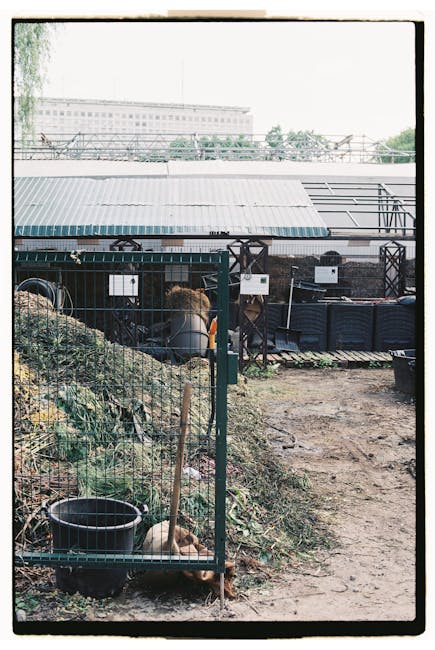
At a practical level, garden waste handling usually comes down to three questions: what the waste is, how clean it is, and how much of it you have. Green waste generally means biodegradable plant material such as grass, leaves, weeds, hedge trimmings, and small prunings. This is the kind of material that can usually be composted or processed separately from general waste.
What tends to cause trouble is contamination. A few examples: plastic plant labels left in the bag, ties wrapped around branches, old compost sacks mixed in with clippings, stones in the bottom of a wheelbarrow, or food waste added "just this once". These small things can make the load less suitable for recycling or composting.
The exact collection arrangements can vary by property type and local service setup. Some homes rely on council green-waste collections or local collection rules, while others need to use private disposal routes for larger volumes. If you are managing a bigger one-off job, the simplest route is often to separate the waste on site and choose a disposal method that fits the size of the task rather than forcing everything into one container.
In our experience, the smoothest jobs are the ones where the waste plan is thought through first. It sounds boring. It is boring. But it saves time, sweat, and a second trip with overflowing bags, which nobody enjoys.
What usually counts as garden waste
- Grass cuttings
- Leaves and small twigs
- Hedge trimmings
- Weeds and plant cuttings
- Small branches and prunings
- Dead flowers and bedding plants
What usually should be kept out
- Plastic pots and trays
- Plant ties, wire, and netting
- Large quantities of soil or rubble
- Household rubbish
- Food waste
- Painted wood or treated timber
If your project includes heavier or mixed materials, it may be better to combine garden waste separation with a more structured tidy-up through garden clearance support. That is especially useful after a long-overdue reset, when the beds have become a bit too enthusiastic and the shed corner has started breeding mystery objects.
Key Benefits and Practical Advantages
Following the right garden waste approach is not only about compliance. It also makes the gardening itself easier. When waste is sorted well, work flows better and you can see progress sooner. That visual shift matters. One minute the garden feels overloaded; the next, it starts breathing again.
- Cleaner gardens: removing waste properly keeps paths, beds, and lawns safer and tidier.
- Better recycling potential: clean green waste is easier to compost or process.
- Less bin pressure: separating material prevents unnecessary overfilling.
- Fewer rejected loads: less contamination means fewer disposal problems.
- More efficient work: planning waste handling helps you finish quicker.
- Lower stress: you are not left improvising at the end of the job.
There is also a subtle benefit most people miss: good waste handling improves judgement. Once you know how much material a hedge trim or lawn cut actually produces, you plan future maintenance more sensibly. That is why regular upkeep matters. A garden that is maintained little and often creates less waste panic than one that is left to run wild for three seasons and then attacked in one heroic but messy weekend.
If you want to keep the whole garden in steady shape, a recurring approach through garden maintenance can make the waste side far more manageable. Small, regular jobs tend to produce small, regular waste. Much easier. Much calmer.
Who This Is For and When It Makes Sense
This topic is relevant for a wide mix of people. Some are experienced gardeners who just want a quicker, neater disposal method. Others are homeowners tackling a first proper clear-up. Then there are landlords, letting agents, and property managers who need the outside space kept presentable without leaving waste sitting around.
It makes sense to pay close attention if you are:
- doing seasonal cut-backs in spring or autumn
- removing hedges or overgrown shrubs
- clearing a garden after a tenancy change
- preparing a property for sale or letting
- handling storm debris or broken branches
- trying to reduce trips to the tip and avoid wasted time
If you are dealing with routine mowing or neat trimming, the waste is usually fairly predictable. For example, mowing a lawn may only produce a handful of clippings, while a hedge trim can fill bags very quickly. That is why services such as lawn mowing and hedge trimming often need different waste planning. Same garden, different mess.
It also makes sense if you are trying to be more sustainable. A lot of gardeners want to dispose of waste in a way that is tidy, responsible, and not overcomplicated. Fair enough. Most people do not want a garden that looks good on Saturday and becomes a storage yard for bags and branches by Monday.
Step-by-Step Guidance
If you want the cleanest possible result, work through the job in stages. It is less dramatic than a big one-off sweep, but it tends to go better. Every time.
1. Identify the waste before you cut
Walk the garden first and note what you are actually dealing with. Grass? Hedge trimmings? Thick branches? Old pots? Soil? Mixed waste? If there are bulky items, plan for them separately. A quick look now saves awkward surprises later.
2. Separate green waste from non-green waste
Keep plant material apart from plastic, metal, stone, and household rubbish. Use different piles or containers if you can. This is the single biggest improvement you can make. Really, it is that simple.
3. Cut and collect in manageable batches
Do not wait until the end to deal with everything. Clear as you go. For example, after trimming a hedge section, gather and bag the cuttings before moving on. It stops the job from snowballing into chaos.
4. Reduce volume where practical
Smaller branches can often be cut down to size, and soft green waste can be lightly compacted into bags without forcing or overstuffing them. Do not ram bags full with wet material. That is how you end up with splits, leaks, and the sort of heavy sack that tests your lower back and your humour.
5. Choose the right disposal route
For light, routine waste, a local green-waste collection route may be enough. For larger garden jobs, a dedicated clearance approach is usually more sensible. If you are removing large volumes of cuttings, roots, or mixed debris, a more complete tidy-up through services overview can help you match the task to the right support.
6. Check the finish
Once the waste is gone, look back over the area. Check corners, borders, under shrubs, and along fences. The garden always seems to hide one last bag's worth of clippings in the least convenient place. Always.
Expert Tips for Better Results
Here are the small things that make a big difference in real life. Not glamorous, but useful.
- Use breathable bags where practical: they are often easier for light green waste than overfilled sacks.
- Keep wet and dry waste separate if you can: wet clippings get heavy fast and are more awkward to handle.
- Prune before a full leaf drop where possible: you may reduce the overall mess and make sorting easier.
- Plan with access in mind: narrow side gates, steps, and awkward corners can turn a simple job into a faff.
- Stack branches in the same direction: it saves space and makes loading much faster.
- Don't wait for "perfect weather" forever: in London, you could be waiting a while. A dry half-day is often enough.
If you manage both outdoor improvements and regular upkeep, you may also benefit from broader support such as landscaping or landscape gardening. A better layout can make future waste handling far easier. Pathways, borders, and access routes all matter more than people expect.
One practical tip from the field: keep a "mixed waste" bucket nearby during jobs. Not for garden waste itself, but for the little non-green items you uncover as you go. Old clips, labels, random plastic ties. Tiny thing, big difference.
Common Mistakes to Avoid
Most problems come from a handful of familiar errors. If you avoid these, you are already ahead of the curve.
- Mixing rubbish into green waste: even a small amount of contamination can create issues.
- Overfilling bags: heavy, awkward bags split more easily and are harder to move safely.
- Ignoring soil and rubble: these usually need separate handling from normal garden cuttings.
- Leaving waste at the boundary without checking the rules: what looks convenient can end up being non-compliant or untidy.
- Cutting first, planning later: that is how you end up with a mountain of material and no disposal route.
- Forgetting about bulky timber or roots: woody waste often needs different handling from soft green waste.
Another common one is assuming every pile of organic-looking material is automatically fine. Not quite. Treated wood, old fencing, and construction debris can look garden-like at a glance, but they are not the same thing. It sounds obvious written down; in the middle of a messy job, less so.
If the garden has become seriously overgrown, or if you are clearing after a long gap, a structured garden clearance is often the safer and cleaner route than trying to wing it with household bins and optimism.
Tools, Resources and Recommendations
You do not need a shed full of kit to handle garden waste well. What you do need is a few sensible basics.
| Tool or item | Best use | Why it helps |
|---|---|---|
| Heavy-duty garden bags | Leaves, clippings, light trimmings | Makes collection and carrying easier |
| Wheelbarrow | Moving branches or multiple bags | Reduces repeated lifting |
| Secateurs and loppers | Reducing branch size | Creates more manageable waste |
| Tarpaulin | Temporary waste staging | Keeps driveways and paths cleaner |
| Gloves | General handling | Helps with grip and protection |
For bigger or more awkward jobs, it is worth thinking beyond tools and asking whether the site itself is ready. Is there enough access for bags to come out easily? Can waste be moved without damaging the lawn? Is there somewhere dry to stage it briefly before loading? These are the questions that save time on the day.
If the work involves trees, dense growth, or heavy woody waste, tree lopping and removal may be more appropriate than a standard tidy-up. Different material, different risks, different waste profile. Simple as that.
For homeowners who want to keep the whole process tidy and straightforward, recycling and sustainability guidance can be a helpful mindset, even when the task is small. The goal is not perfection. It is reducing waste where possible and handling the rest responsibly.
Law, Compliance, Standards and Best Practice
This is one of those areas where the exact operational details can vary, so cautious wording is best. In the UK, garden waste is generally expected to be separated from general household waste where a specific green-waste route is available, and contamination should be avoided. Larger volumes, mixed loads, and certain materials may need separate treatment.
For gardeners, the most important practical rule is straightforward: do not assume all outdoor waste can be treated the same way. Soil, rubble, treated timber, green plant material, and general rubbish each behave differently once removed from the garden. If you are unsure, treat the material conservatively and keep it separate until you know what it is.
Best practice also includes safe lifting, secure stacking, and not overloading bags or containers. That matters for anyone handling waste manually. A bag that is too heavy is not just annoying; it is a safety issue. And yes, your back will remind you later if you ignore it.
For businesses, landlords, and contractors, a more formal approach to waste handling is often sensible, especially where multiple jobs, access issues, or repeated clearances are involved. At that point, checking service terms, payment handling, and operational expectations becomes useful too. If you are working with a provider, their terms and conditions and health and safety policy can be worth reviewing before work begins. That is not red tape for the sake of it; it is basic due care.
One more thing: if a contractor is involved, insurance and safe working practices matter. Garden jobs can involve sharp tools, awkward lifting, slippery surfaces, and limited access. A clear approach to insurance and safety helps reduce the risk of misunderstandings. Quietly important, that.
Options, Methods, or Comparison Table
There is no single best method for every gardener. The right choice depends on volume, access, and how much time you want to spend dragging bags around. Here is a simple comparison.
| Method | Best for | Pros | Cons |
|---|---|---|---|
| Home sorting and local collection | Small, regular garden upkeep | Low effort, easy to plan | Limited capacity, may not suit bulky jobs |
| On-site bagging and staged disposal | Medium jobs with clean green waste | Good control, neat process | Can be time-consuming if access is poor |
| Professional garden clearance | Overgrown gardens, mixed debris, larger clear-outs | Fast, efficient, reduces manual strain | Usually costs more than DIY handling |
If your garden is small and you only trim lightly, self-managed disposal is often enough. If you have just spent three hours cutting back a hedge that had quietly turned into a wall, professional support starts to look very sensible. Truth be told, that is where many people stop pretending they will do it all themselves.
For planned work that combines maintenance, access, and finishing touches, the broader service range on services overview can help you match the job to the right level of support without overbuying what you do not need.
Case Study or Real-World Example
Picture a typical Greenwich back garden after a wet spring. The lawn has thickened up, the hedge is pushing into the fence line, and the border at the back has become a small jungle of stems and fallen leaves. Nothing dramatic, just one of those gardens that got away from you while life was busy.
The owner starts with the hedge because it looks most urgent. Within twenty minutes, the patio is covered in clippings. Then the lawn cut produces another layer of waste, and a couple of older branches from the bed add bulk. By the end, there are two green bags full and a third one half-ready. The mistake would be trying to bundle all of that together with old pots and a broken trellis.
Instead, the better approach is to separate the soft green material, keep woody waste apart, and remove anything non-organic immediately. The result is quicker loading, less mess on the path, and a much easier clean-up. If the job had been left another season, the same garden might have needed a more extensive tidy and a different disposal plan altogether. That is usually how it goes, isn't it? Quietly at first, then all at once.
In situations like that, pairing ongoing upkeep with garden maintenance keeps future waste volumes under control. Small jobs, done regularly, are far easier to manage than one giant rescue mission.
Practical Checklist
Use this quick checklist before you start.
- Identify the main types of waste in the garden
- Separate green waste from rubbish, plastic, and rubble
- Check whether bulky branches or roots need special handling
- Make sure you have enough bags, gloves, and tools
- Plan how waste will leave the site before you start cutting
- Avoid overfilling bags or containers
- Keep paths, doors, and gates clear for moving waste
- Inspect the area at the end for hidden clippings or debris
- Decide whether DIY disposal or professional clearance is the better fit
- Review any service terms, safety notes, or insurance details if hiring help
If your garden needs more than a light tidy, it may be worth booking support rather than stretching the job over several weekends. A clean start is often the easiest start.
Conclusion
Greenwich Council garden waste rules what to know for gardeners comes down to a simple principle: keep green waste separate, keep it clean, and plan disposal before the work begins. Once you do that, garden jobs become calmer, tidier, and much easier to finish properly. You protect the garden, save time, and avoid the last-minute scramble that turns a straightforward trim into a small disaster.
Whether you are clearing autumn leaves, cutting back a hedge, or dealing with a bigger overgrown space, the best outcome usually comes from good sorting and realistic planning. That is the unglamorous truth. But it works.
Get a free quote today and see how much you can save.
And if you are staring at a pile of branches right now, take a breath. Sort it once, move it once, and the whole garden starts to feel lighter.
Frequently Asked Questions
What counts as garden waste in Greenwich?
Garden waste usually means biodegradable plant material such as grass cuttings, leaves, weeds, hedge trimmings, and small prunings. It should be kept separate from household rubbish, plastic, metal, and rubble.
Can I put soil in with my green waste?
Soil is often treated differently from soft green waste. Small amounts may be manageable in some situations, but larger quantities usually need separate handling. If in doubt, keep soil apart until you know the best route.
Are branches and hedge cuttings accepted the same way as grass cuttings?
Not always. Soft clippings are usually simpler to manage, while thicker branches and woody material can be bulkier and may need different disposal planning. They look similar in the garden, but they behave very differently in a bag.
What should I do with plastic pots and plant labels?
Keep them out of the green waste. Plastic pots, labels, ties, and netting should be separated before disposal so the organic material stays clean.
Do I need a professional garden clearance service?
If you only have a small amount of routine cuttings, probably not. If the garden is overgrown, the waste is bulky, or the job mixes green waste with other debris, a professional clearance service is often the more practical option.
How can I reduce the amount of garden waste I create?
Regular maintenance is the biggest help. Light, frequent pruning and mowing produce far less waste than leaving everything to grow unchecked. Better still, it keeps the garden healthier and easier to work in.
What is the safest way to handle heavy garden bags?
Do not overfill them. Keep loads manageable, use gloves, and lift carefully. If a bag feels awkward before you even pick it up, it is already too heavy.
Can I mix garden waste with general household rubbish if it is only a small amount?
No, that is best avoided. Even a small amount of contamination can create problems and reduce the usefulness of the waste stream.
What happens if my waste is too bulky for normal disposal?
If the waste is too large, too heavy, or too mixed, it may need a separate collection or a more comprehensive clearance approach. That is usually the point where planning ahead saves a lot of stress.
Is there a difference between garden maintenance and garden clearance?
Yes. Garden maintenance is ongoing upkeep such as mowing, trimming, and light tidying. Garden clearance is more about removing larger amounts of waste, overgrowth, or unwanted material in one go.
How do I know whether to compost waste at home or have it removed?
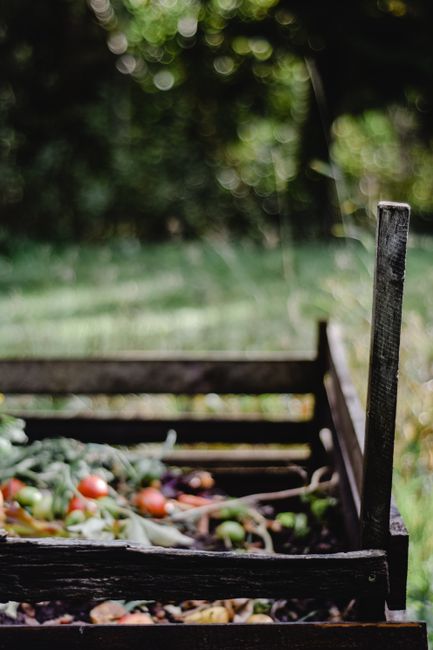
If the material is clean, soft, and manageable in volume, home composting may be suitable. If it is bulky, woody, diseased, or mixed with other waste, removal is usually the safer and neater option.
What should I check before hiring someone to deal with garden waste?
Check what they will remove, how they handle waste separation, what is included in the service, and whether their safety and insurance arrangements are clear. That avoids awkward surprises later.